Read for Jarjum 2026

Find your next deadly read

Explore stories by First Nations authors, illustrators and communities. Choose an age group, follow your interests, and find a story to share.

Stories for every kind of reader

Search by title, creator, Country or place, then filter by age, theme and location. Ages are a guide only, and great picture books can be enjoyed at any age. Many of these stories work beautifully as a shared read-aloud.

Reading at Jarjum

Stories are made to be shared

At Jarjum, reading creates moments of confidence, curiosity and connection. Choose a story that sparks something, then enjoy it together.

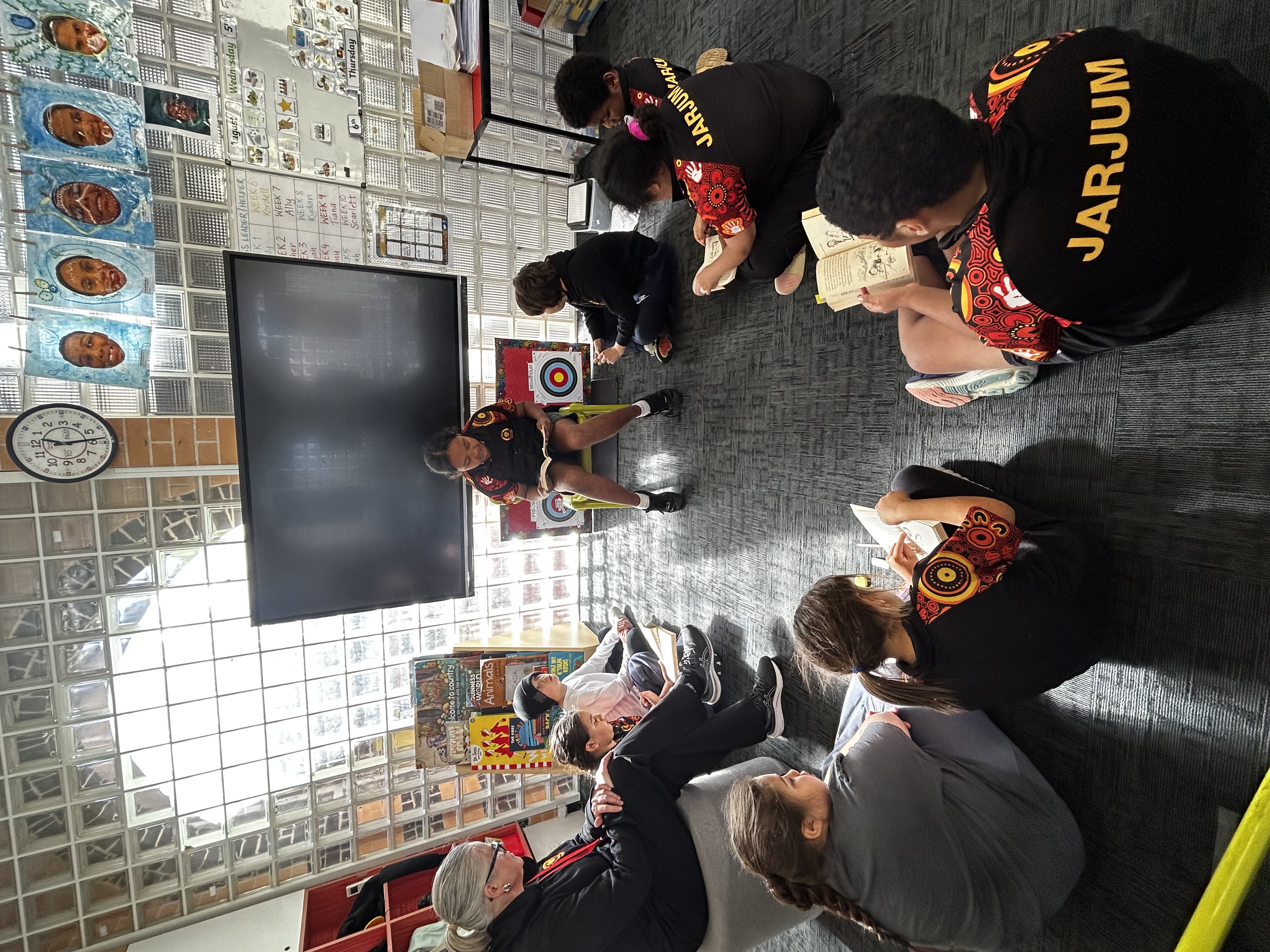
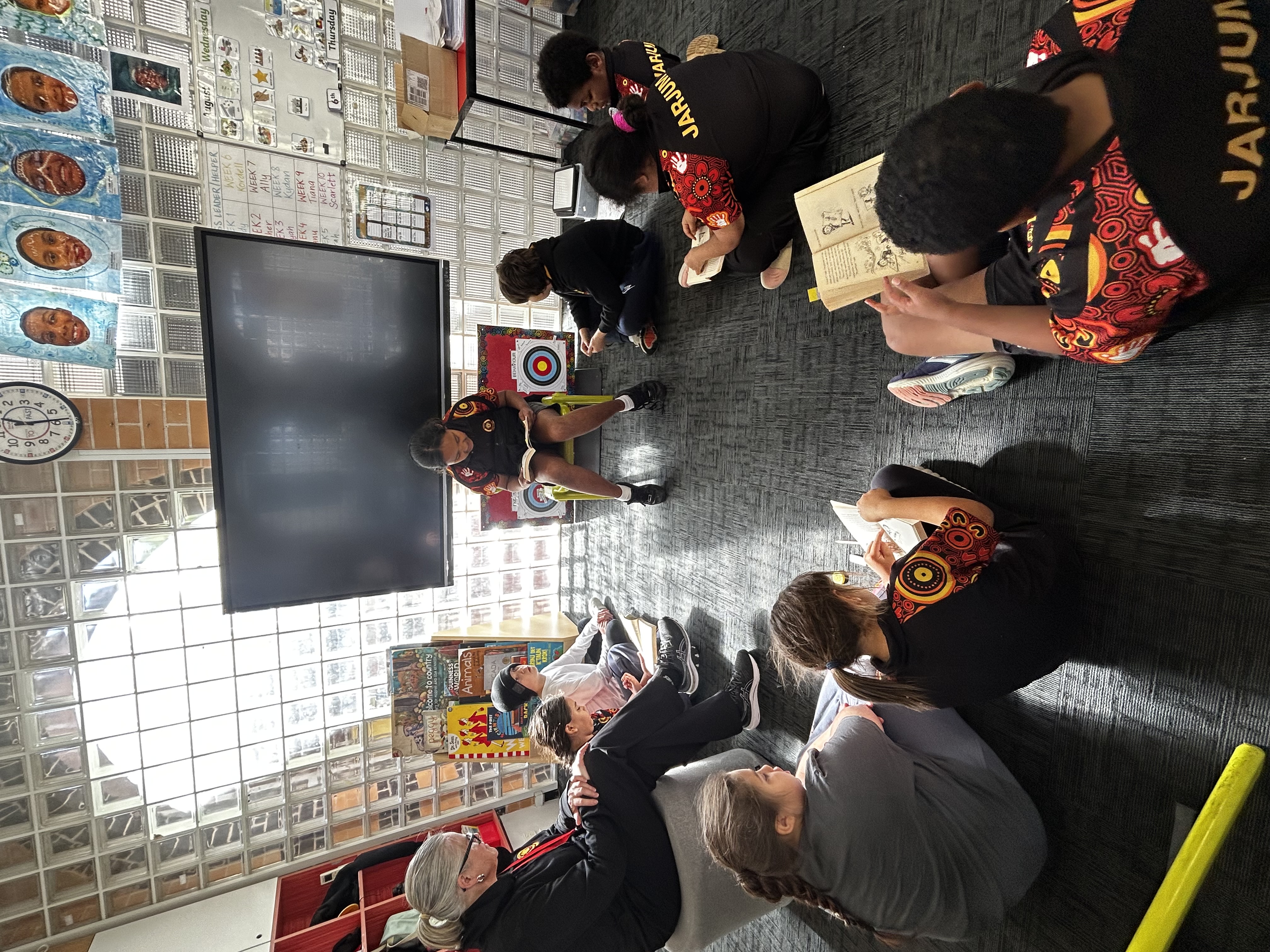
Jarjum students gathered in a classroom reading circle
Stories bring us together
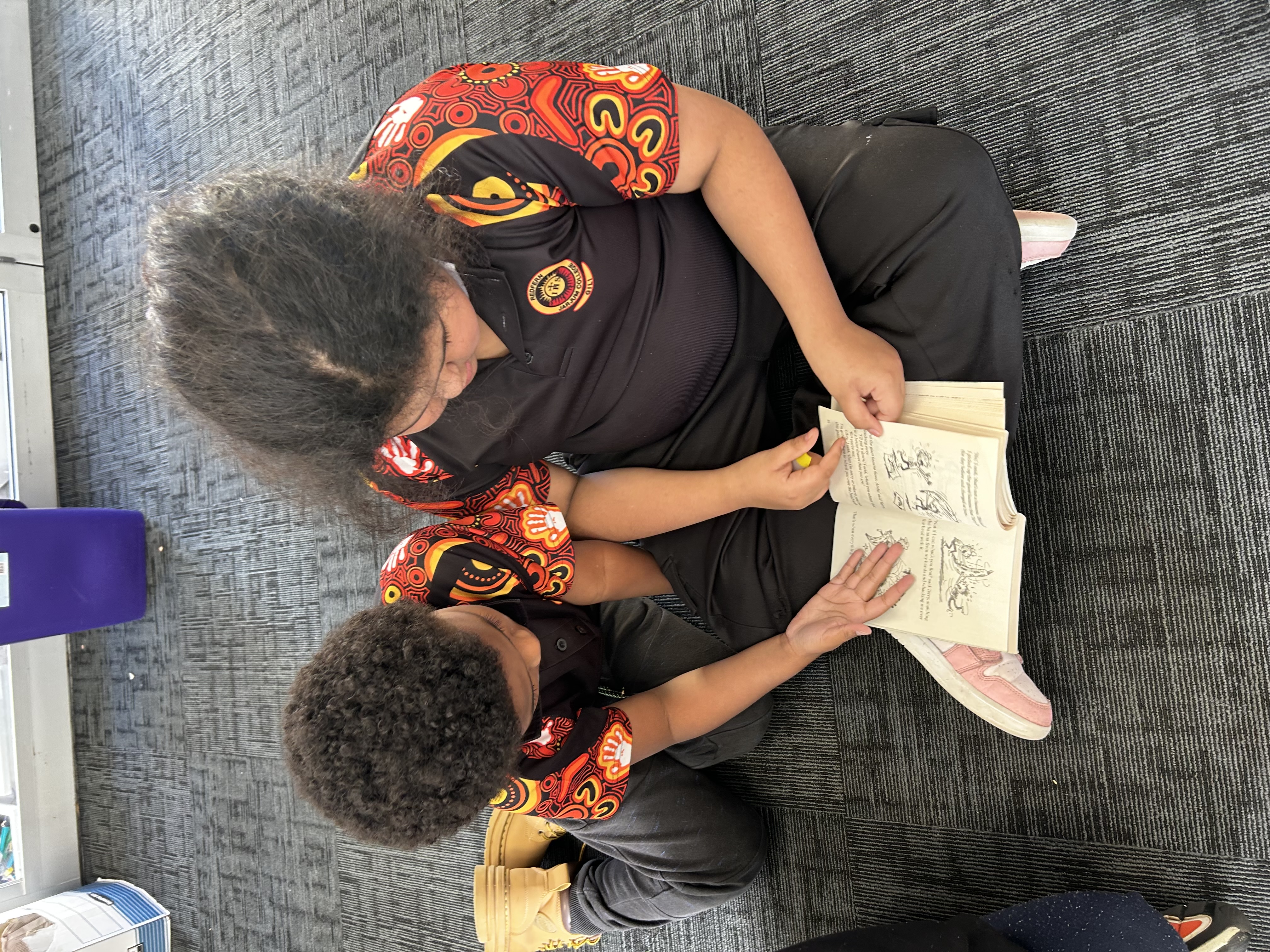
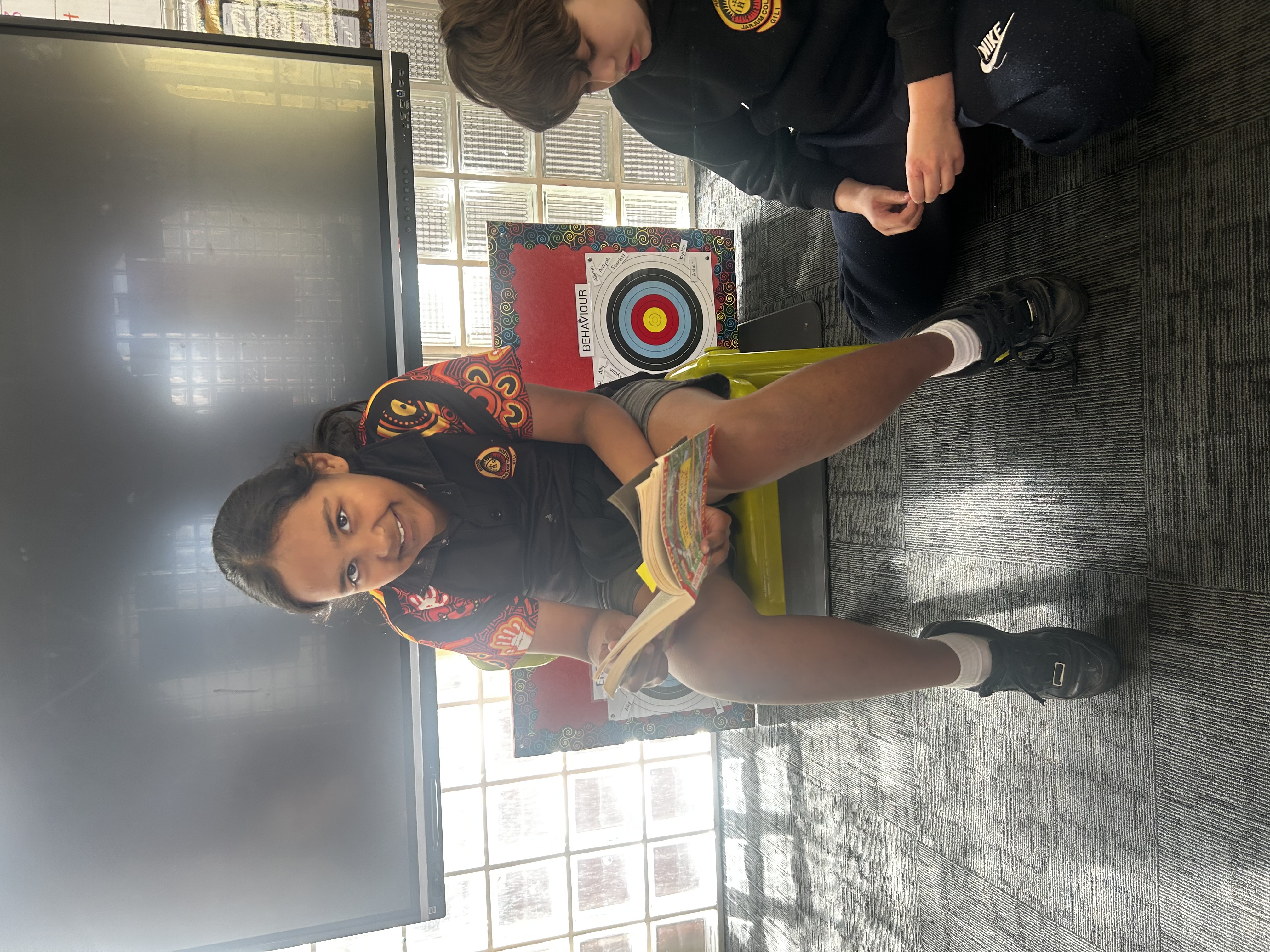
Two Jarjum students reading a book together
Reading, sharing and discovering
Choose a story • Follow its connection to Country • Share it together ↓
Age guide
Theme
Country and place

Thirteen deadly reads, each with somewhere new to go

Start with a cover that catches your eye, follow a story’s connection to Country and place, or open a video and enjoy it together.

Skip to classroom resources ↓

Showing all 13 books

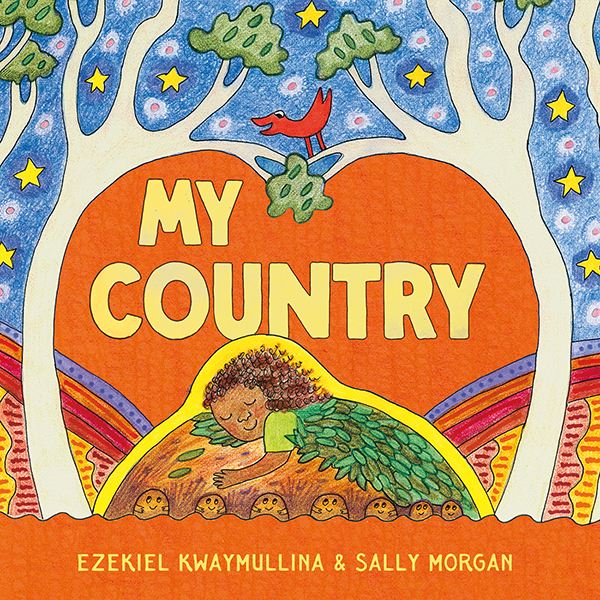
My Country
Cover of My Country
Ages 3–5 Ages 5–8 Country and nature

My Country

Written by Ezekiel Kwaymullina, illustrated by Sally Morgan

A joyful, lyrical journey through Country that celebrates nature, place and belonging in rich, vibrant colour.

Creator connectionPalyku people, Pilbara, Western Australia. The story itself is not tied to one named place.

When the World Was Soft
Cover of When the World Was Soft
Ages 9–12 Creation and knowledge

When the World Was Soft

By Juluwarlu Group Aboriginal Corporation, illustrated by Alex Mankiewicz

Yindjibarndi Creation stories are shared in an energetic graphic novel filled with cultural knowledge, language and art.

Stories from CountryYindjibarndi Country, around the Millstream Tablelands and Fortescue River, Pilbara, Western Australia.

When I Was Little, Like You
Cover of When I Was Little, Like You
Ages 5–8 Ages 9–12 Culture and community

When I Was Little, Like You

Written and illustrated by Mary Malbunka

Mary Malbunka warmly remembers her childhood at Papunya, sharing family life, games, school and time on Country.

Story settingPapunya, Central Australia, Northern Territory, told by Luritja woman Mary Malbunka.

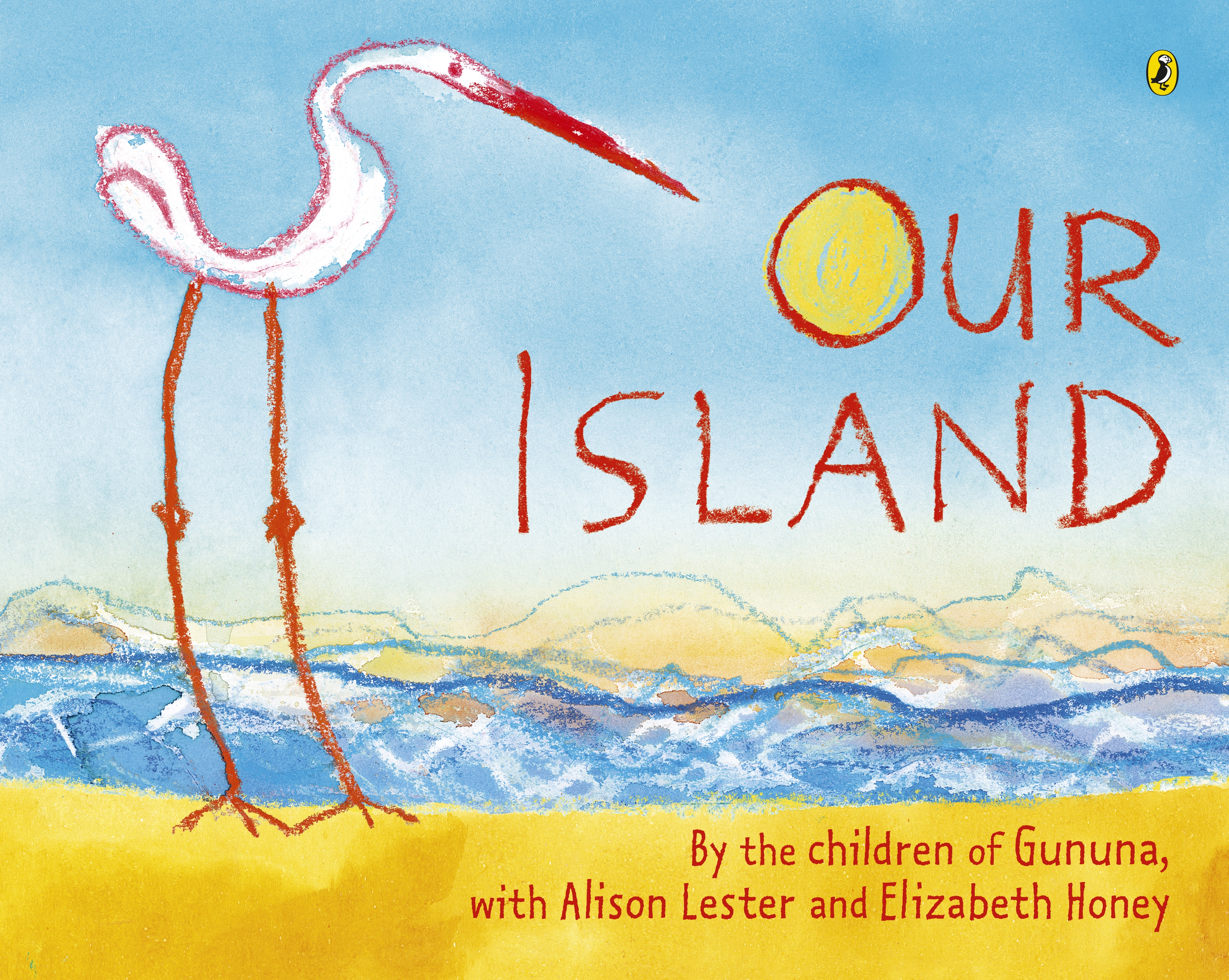
Our Island
Cover of Our Island
Ages 3–5 Ages 5–8 Country and nature

Our Island

Created by the Children of Gununa with Alison Lester and Elizabeth Honey

The children of Mornington Island celebrate their island home, sea life, community and language through words and pictures.

Story settingGununa, Mornington Island, Lardil Country in the Gulf of Carpentaria, Queensland.

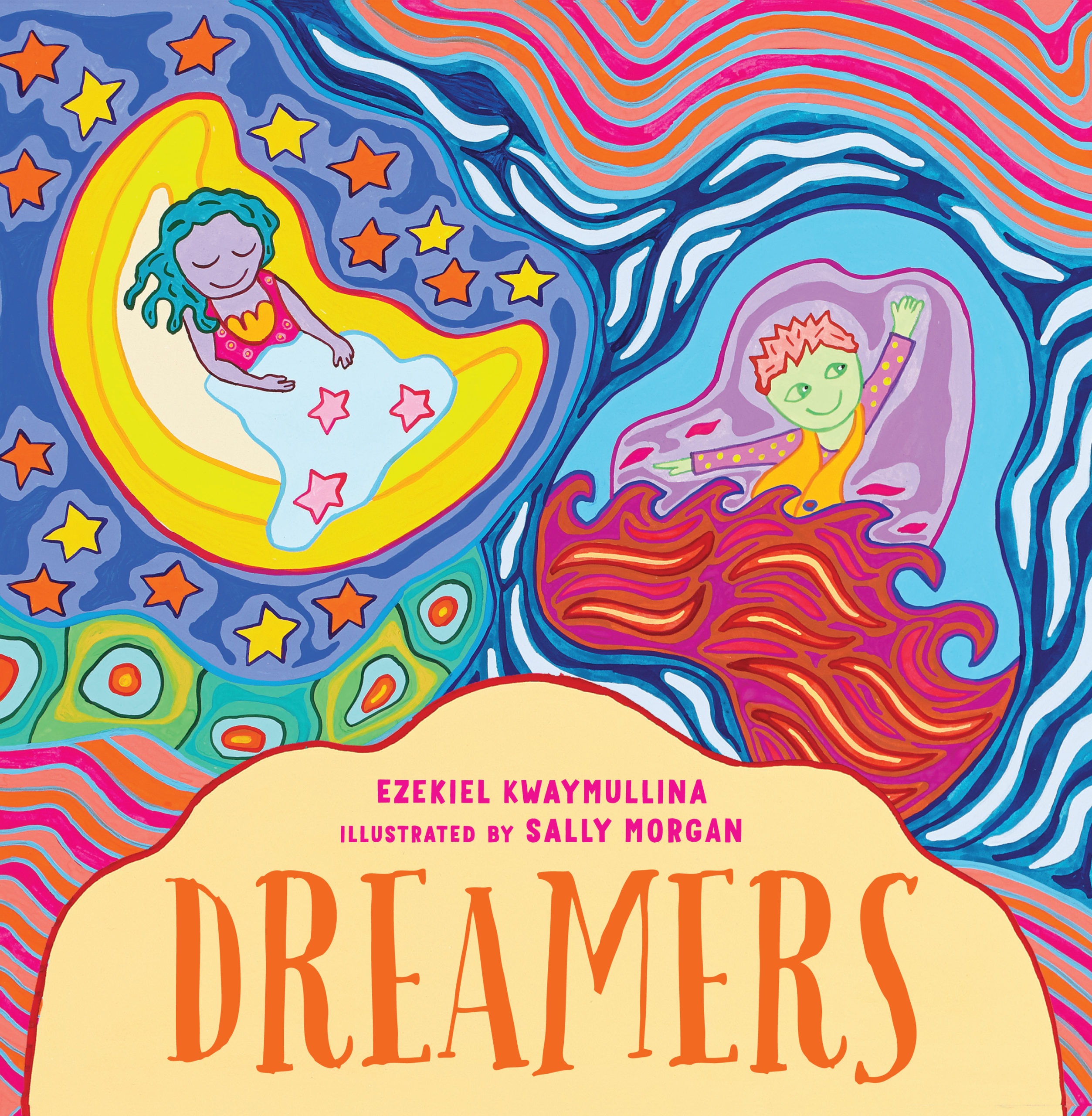
Dreamers
Cover of Dreamers
Ages 3–5 Language and imagination

Dreamers

Written by Ezekiel Kwaymullina, illustrated by Sally Morgan

A joyful celebration of children’s imagination, movement and play, perfect for reading aloud with actions.

Creator connectionPalyku people, Pilbara, Western Australia. The dreamscapes are not presented as one named location.

Our Little Yuin
Cover of Our Little Yuin
Ages 3–5 Ages 5–8 Language and imagination

Our Little Yuin

Written and illustrated by children of Little Yuin Aboriginal Preschool

Children from Wallaga Lake share stories, paintings and Yuin words in a book grounded in identity, culture and community.

Created on CountryWallaga Lake Village, Yuin Country on the far south coast of New South Wales.

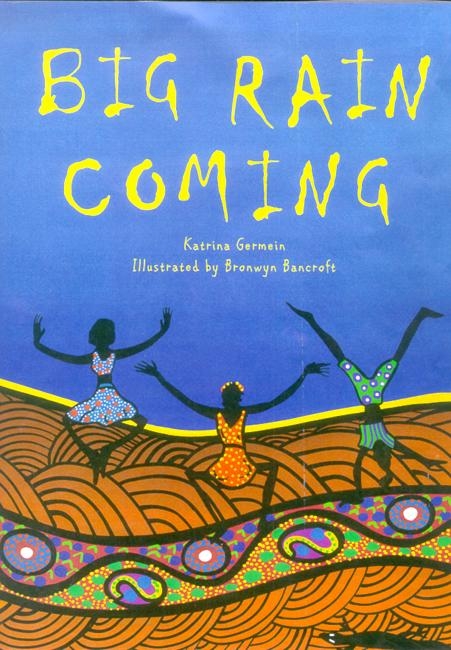
Big Rain Coming
Cover of Big Rain Coming
Ages 3–5 Ages 5–8 Country and nature

Big Rain Coming

Written by Katrina Germein, illustrated by Bronwyn Bancroft

A remote community and the animals around it wait patiently as the sky grows darker and the long-awaited rain approaches.

Story inspirationInspired by the author’s time teaching in the remote community of Minyerri, Northern Territory.

Enora and the Black Crane
Cover of Enora and the Black Crane
Ages 5–8 Creation and knowledge

Enora and the Black Crane

Written and illustrated by Arone Raymond Meeks

An original teaching story of curiosity, colour and consequence, grounded in knowledge of the rainforest, spirits and Law.

Story and creator connectionCape York Peninsula, Queensland, drawing on Kuku Midigi creator Arone Meeks’ knowledge and connection to the Laura area.

Come Together
Cover of Come Together
Ages 5–8 Ages 9–12 Culture and community

Come Together

Written by Isaiah Firebrace, illustrated by Jaelyn Biumaiwai

An inviting introduction to 20 important First Nations topics, from Elders and the Dreaming to identity and Country.

National focusAcross Australia, led by Yorta Yorta and Gunditjmara author Isaiah Firebrace and Mununjali and Fijian illustrator Jaelyn Biumaiwai.

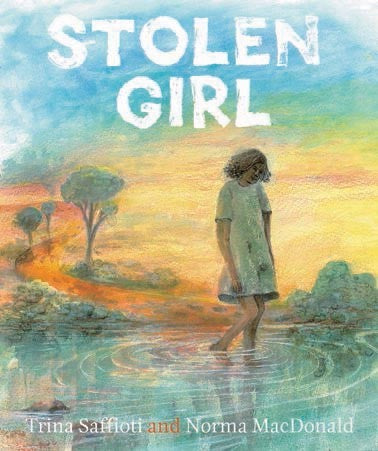
Stolen Girl
Cover of Stolen Girl
Ages 9–12 History and truth-telling

Stolen Girl

Written by Trina Saffioti, illustrated by Norma MacDonald

A moving fictionalised account of a girl taken from her family, who holds onto memories of home, family and culture.

National historical contextThe fictional story does not name one place. It reflects the Stolen Generations, a history affecting communities across Australia.

Guided reading: explores the Stolen Generations. Culturally safe preparation and support are recommended.

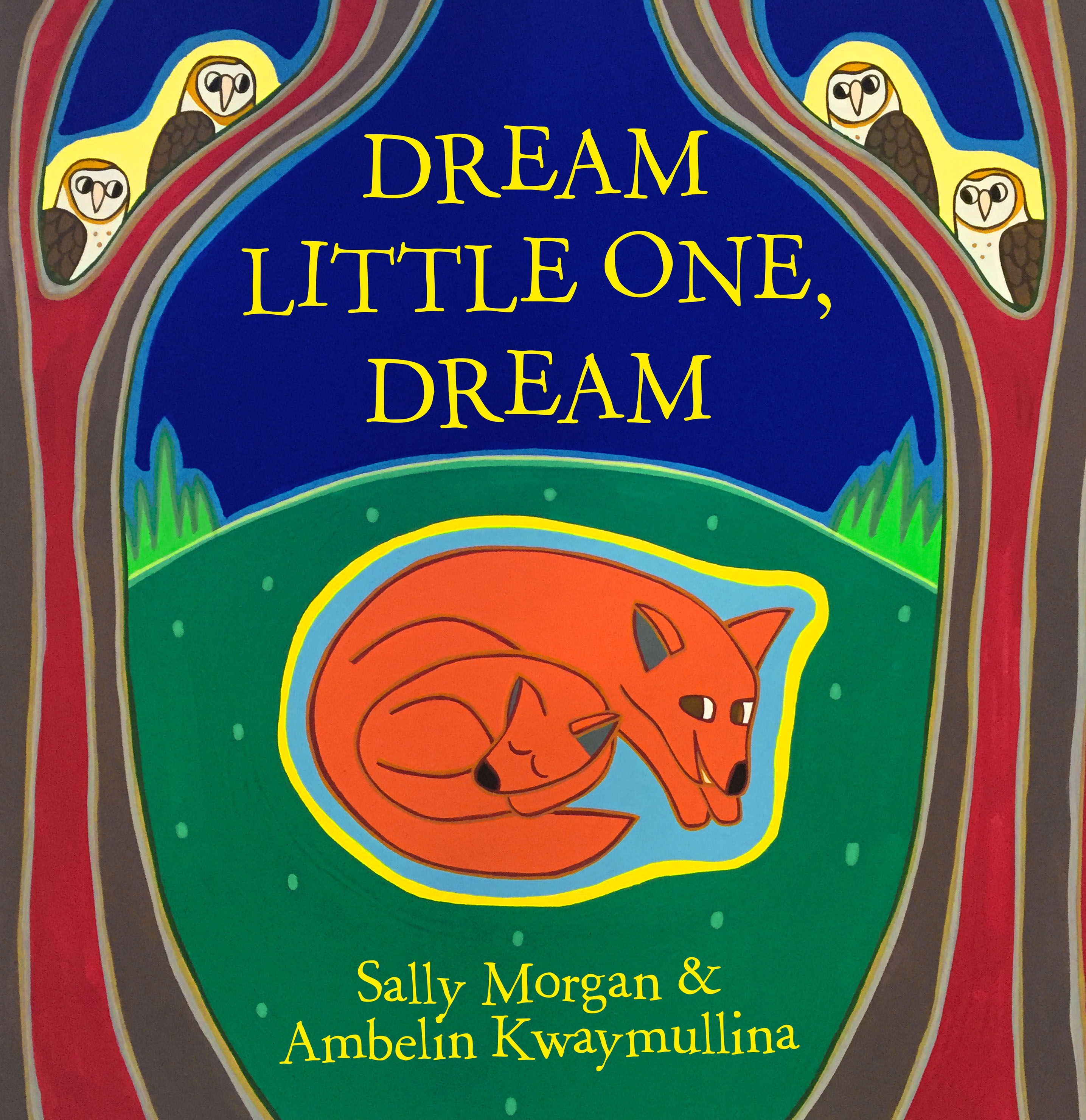
Dream Little One, Dream
Cover of Dream Little One, Dream
Ages 3–5 Language and imagination

Dream Little One, Dream

Written by Sally Morgan, illustrated by Ambelin Kwaymullina

A rhythmic bedtime story that travels from sunrise to night, celebrating the peace and wonder of the natural world.

Creator connectionPalyku people, Pilbara, Western Australia. The natural world in the story is not tied to one named place.

Young Dark Emu
Cover of Young Dark Emu
Ages 9–12 History and truth-telling

Young Dark Emu

Written by Bruce Pascoe

Evidence of farming, aquaculture, homes and land management invites young readers to reconsider Australia’s pre-colonial history.

National focusDraws on historical accounts and examples from across Australia rather than one named Country.

Guided reading: includes historical primary sources containing outdated and harmful language.

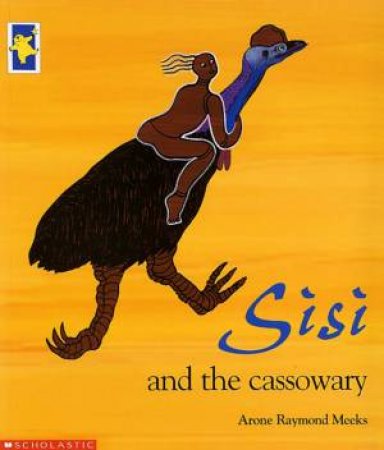
Sisi and the Cassowary
Cover of Sisi and the Cassowary
Ages 7–9 Creation and knowledge

Sisi and the Cassowary

Written and illustrated by Arone Raymond Meeks

After becoming lost near a waterhole, Sisi receives mysterious help and learns an important lesson about listening to Elders.

Creator and landscape connectionFar North Queensland’s tropical rainforest, connected to Kuku Midigi creator Arone Meeks and the Laura area.

Availability: this title is out of print, but it may be available through a local library.

Lesson plans now live with their books ↓

Classroom resources

Teaching support, right where you need it

Each classroom-ready lesson now opens inside its matching book card. Look for the lesson-plan dropdown to view the full sequence online, or download the printable teaching pack.

Jarjum students and staff sharing a classroom reading session
A classroom full of readers
A Jarjum student reading aloud to classmates
Confidence grows through stories
Complete lesson sequenceClear steps and suggested timings Curriculum connectionsLearning intentions and curriculum links Teacher supportDifferentiation, assessment and extensions
Complete classroom plan Our Little Yuin, “Our Stories, Our Place” Foundation to Year 2, adaptable for Years 3–4 • 60–90 minutes Open plan

Year level: Foundation to Year 2, adaptable for Years 3–4

Duration: 60–90 minutes

Learning areas: English, HASS, The Arts, Aboriginal and Torres Strait Islander Histories and Cultures

Lesson Title

Our Stories, Our Place

Learning Intentions

Students will:

  • Listen to and respond to a story created by Aboriginal children.

  • Explore the importance of culture, language, and connection to Country/Place.

  • Understand that everyone has stories that reflect who they are and where they belong.

  • Create and share their own story inspired by their family, community, or local environment.

Success Criteria

Students can:

  • Describe something they learned about Yuin culture.

  • Explain why language and stories are important.

  • Create a short story or picture about a place that is special to them.

  • Share their work respectfully with others.

Curriculum Links (Australian Curriculum)

English

  • Listen to, discuss and respond to literary texts.

  • Create short imaginative and informative texts.

  • Use drawing and writing to communicate ideas.

HASS

  • Recognise the importance of places to people.

  • Explore different cultural perspectives and traditions.

Aboriginal and Torres Strait Islander Histories and Cultures

  • Appreciate that Aboriginal Peoples are the First Peoples of Australia.

  • Recognise that language, stories, and Country are central to identity and culture.

Resources

  • Our Little Yuin

  • Australian map showing Yuin Country

  • Images of local plants and animals (optional)

  • Drawing paper

  • Pencils, crayons, paints

  • Word cards with Yuin vocabulary from the book (where appropriate)

Lesson Sequence

1. Welcome and Acknowledgement (5 minutes)

Begin with an Acknowledgement of Country.

Example:

We acknowledge the Traditional Custodians of the land on which we learn today. We pay our respects to Elders past and present and recognise the continuing connection Aboriginal and Torres Strait Islander Peoples have to Country, culture and community.

Show students where Yuin Country is located on a map.

Discuss:

  • What is Country?

  • Why are places important to people?

2. Before Reading (10 minutes)

Ask:

  • What makes a place feel special?

  • What stories does your family tell?

  • Why might people want to keep language alive?

Introduce the book.

Explain that:

  • it was created by Aboriginal preschool children

  • the stories are their own

  • the book includes Yuin language words

  • it celebrates identity, family and culture.

3. Shared Reading (15–20 minutes)

Read the book aloud.

Pause to discuss:

  • What do you notice in the illustrations?

  • Which Yuin words do you hear?

  • What places are important in the stories?

  • How do the children show pride in their community?

Encourage respectful curiosity.

4. Discussion (10 minutes)

Create an anchor chart.

Our Little Yuin teaches us about...

Students contribute ideas such as:

  • family

  • Country

  • animals

  • language

  • community

  • respect

  • belonging

  • storytelling

  • identity

Discuss:

Why are stories important?

Possible responses:

  • They teach us.

  • They help us remember.

  • They connect generations.

  • They keep culture strong.

Creative Activity (25–30 minutes)

"My Special Place"

Students think of somewhere meaningful to them.

Examples:

  • backyard

  • beach

  • park

  • grandparent's house

  • local creek

  • school

  • neighbourhood

Students:

  1. Draw their special place.

  2. Write 3–6 sentences describing:

    • Where it is

    • Why it is special

    • Who they spend time with there

    • What they see, hear or feel

Encourage descriptive language.

Optional:
Students may include a word from their own family's language or another language they speak at home (with permission and correct spelling).

Extension Activities

Nature Walk

Take students outside.

Ask them to:

  • observe plants

  • notice birds

  • listen carefully

  • sketch something they see

Discuss how Aboriginal stories often connect people with Country.

Class Story Book

Each student contributes one page.

Title ideas:

  • Our Classroom Stories

  • Our Special Places

  • Our Community

Compile into a class book.

Language Investigation

Explore:

  • Why are Aboriginal languages important?

  • How do languages help keep culture alive?

If appropriate, invite a local Aboriginal Education Officer or Elder to share language and stories from the local Nation, following school and community protocols.

Assessment

Observe whether students can:

  • participate respectfully in discussions

  • identify themes of identity, culture and belonging

  • create a personal story connected to place

  • explain why stories and language matter.

Collect:

  • student illustrations

  • written reflections

  • participation in class discussion.

Differentiation

Support

  • Sentence starters:

    • My special place is...

    • I like going there because...

    • I feel...

  • Allow oral storytelling instead of written work.

  • Pair students for shared writing.

Extension
Students write:

  • a longer narrative

  • a story inspired by nature

  • an illustrated mini-book

  • a comparison between their story and one from Our Little Yuin.

Reflection (5 minutes)

Ask students:

  • What did you learn today?

  • What surprised you?

  • Why is it important to care for stories?

  • How can we show respect for Aboriginal cultures and languages?

Conclude by reminding students that stories help us understand ourselves, our communities, and the many cultures that make Australia unique.

↑ Back to the books
Complete classroom plan Sisi and the Cassowary Years 2–4 • Ages 7–9 • 60 minutes Open plan

Author: Arone Raymond Meeks

Recommended age: 7–9 years, Years 2–4

Duration: 60 minutes

Learning areas: English, HASS (Geography), Aboriginal and Torres Strait Islander Histories and Cultures, Visual Arts

Learning Objectives

By the end of the lesson, students will be able to:

  • Retell the main events of the story in sequence.

  • Identify the setting, characters, problem, and solution.

  • Describe how Sisi's feelings change throughout the story.

  • Discuss the importance of listening to trusted adults and caring for Country.

  • Make connections between the story and their own experiences.

Australian Curriculum Links (Years 2–4)

Students will:

  • Listen to and respond to literature.

  • Identify key events and characters.

  • Share personal responses supported by evidence from the text.

  • Explore stories by Aboriginal and Torres Strait Islander authors.

  • Recognise the importance of place, nature, and cultural knowledge.

Materials

  • Sisi and the Cassowary

  • Video read-aloud (teacher previewed)

  • Chart paper or interactive whiteboard

  • Story map worksheet

  • Feelings chart

  • Coloured pencils

Lesson Sequence

1. Warm-Up (10 minutes)

Think-Pair-Share

Ask students:

  • Have you ever become lost?

  • How did you feel?

  • Who helped you?

Record feeling words such as:

  • worried

  • scared

  • confused

  • relieved

  • safe

  • grateful

Introduce the book by explaining that it is written by an Aboriginal Australian author and celebrates the rainforest and the importance of Country.

2. Before Reading (5 minutes)

Show the cover.

Ask:

  • What do you notice?

  • Where do you think the story takes place?

  • What do you know about cassowaries?

  • What do you think might happen?

Introduce vocabulary:

  • cassowary

  • quandong

  • elders

  • rainforest

  • waterhole

3. During Reading (15 minutes)

Read the story or play the video.

Pause occasionally to ask:

  • How is Sisi feeling now?

  • What clues tell us she is lost?

  • Why do you think the boy disappears?

  • What might the cassowary represent?

4. Discussion (10 minutes)

Literal Questions

  • Who is the main character?

  • Where does Sisi go?

  • Why does she become lost?

  • Who helps her?

  • How does she get home?

Inferential Questions

  • Why were the elders watching Sisi?

  • Why is it important to stay close to trusted adults?

  • How do you think Sisi changed by the end?

  • Why do you think the author chose a cassowary instead of another animal?

Evaluative Questions

  • Would you have made the same choices as Sisi?

  • What lesson does the story teach?

  • Why is nature important in this story?

Activity 1: Story Map (15 minutes)

Students complete a story map.

Beginning Middle End
Sisi goes swimming. She becomes lost. The cassowary carries her home.

Include:

  • Characters

  • Setting

  • Problem

  • Solution

Activity 2: Feelings Journey (Optional)

Students draw Sisi at four points in the story.

Label each picture:

  • Excited

  • Curious

  • Scared

  • Safe

Add evidence from the story.

Extension Activities

Writing

Write a diary entry from Sisi's point of view.

Prompt:

"Today I wandered away from everyone..."

Art

Draw the rainforest habitat.

Include:

  • cassowary

  • waterhole

  • rainforest plants

  • quandong tree

Label the features.

Science Connection

Research cassowaries.

Students investigate:

  • habitat

  • diet

  • why they are important to rainforest ecosystems

  • how people can protect them

Geography

Locate where cassowaries live in northern Queensland.

Discuss why rainforests are special environments.

Differentiation

Support

  • Use picture sequencing cards.

  • Complete story map together.

  • Provide sentence starters.

  • Pair students with supportive peers.

Extension

Students compare Sisi and the Cassowary with another story in which an animal helps a person.

Consider:

  • similarities

  • differences

  • themes

  • settings

Assessment

Observe whether students can:

  • retell the story accurately

  • identify characters, setting, problem, and solution

  • explain Sisi's changing emotions

  • contribute thoughtfully to discussions

Collect the story map or diary entry as evidence of understanding.

Exit Ticket (5 minutes)

Students respond to one question:

  1. What lesson did Sisi learn?

  2. How did the cassowary help Sisi?

  3. What would you do if you became lost?

  4. Name one thing you learned about the rainforest.

Cross-Curricular Connections

  • English: Narrative structure, comprehension, vocabulary, personal response.

  • Science: Rainforest ecosystems and native Australian animals.

  • Geography: Tropical rainforest environments in northern Australia.

  • Visual Arts: Illustrating settings and characters.

  • Health: Personal safety, making safe choices, and seeking help from trusted adults.

This lesson also provides an opportunity to respectfully explore Aboriginal storytelling traditions and the relationship between people, animals, and Country, recognising that stories can carry cultural knowledge, values, and connections to place.

↑ Back to the books

Ready to read for Jarjum?

Choose your books, set your reading goal and help create brighter futures for Jarjum students.

Register your school